
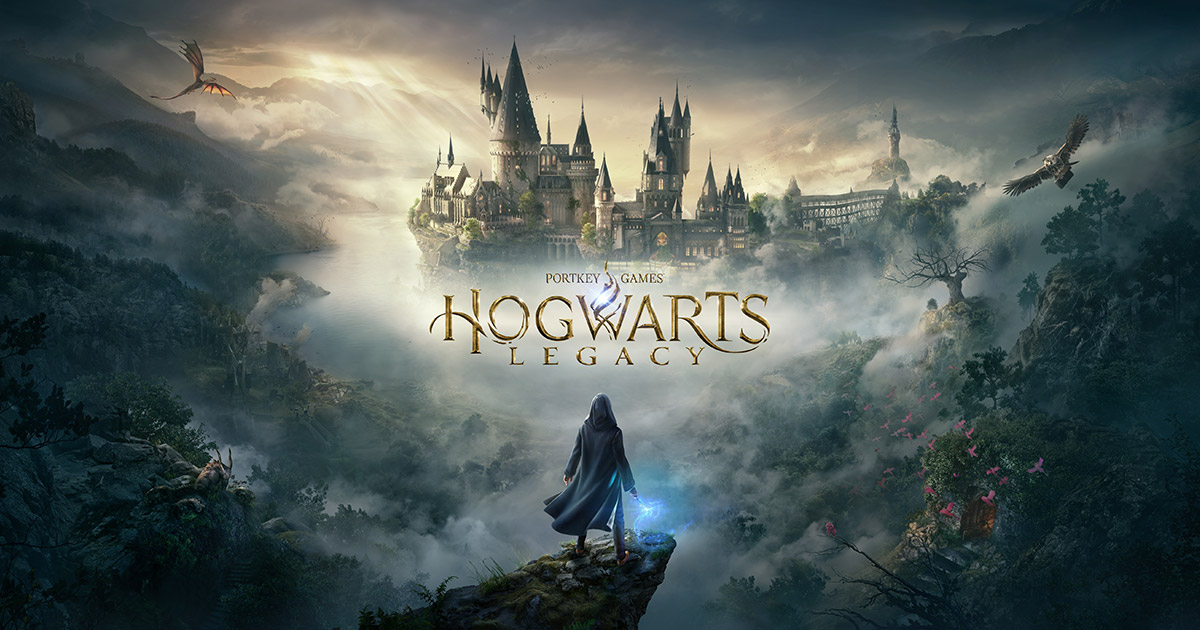

Hogwarts Legacy invites players into a richly realized Wizarding World where your choices shape a personal journey through Hogwarts and beyond. This review examines how the game blends open-world exploration with a deep spellcasting system, student life simulations, and a narrative that respects the lore while offering fresh, immersive storytelling. From the sprawling castle to quiet forested clearings and hidden caverns, the world is designed to reward curiosity with meaningful discoveries, challenging combat, and encounters that feel both magical and perilous. Performance, graphics, and sound design work together to create a convincing sense of presence, while character progression and quest design provide cadence and variety across a substantial playtime. In short, Hogwarts Legacy succeeds as a magical RPG experience that invites experimentation, role-playing, and exploration, even as it invites ongoing dialogue about representation, pacing, and the balance between freedom and structure.
Story and Setting
Hogwarts Legacy places you in the early days of a student’s journey through Hogwarts, a time when the school feels both like a familiar sanctuary and a gateway to uncharted magical frontiers. The narrative foreground follows a protagonist whose latent talents prompt the professors to look beyond conventional curricula, offering a path that mixes classroom lessons with field research, secret societies, and a choice-driven arc that refuses to be reduced to a single hero’s quest.
The setting balances the intimate rhythms of a school year classes, exams, dormitory conversations with grand adventures that echo through the halls, across the hills surrounding the castle, and into ancient ruins where forgotten magic hums at the edge of perception. Character relationships feel earned through dialogue systems that reflect mood, trust, and shared danger, while side characters professors, fellow students, magical tutors carry their own mini-arcs that occasionally steer the main plot in surprising directions.
The era is deliberately imagined to avoid direct retellings of established canon while nevertheless nodding to it through lore objects, familiars, spell annotations, and recurring motifs such as ancient sigils and protective wards. The world-building is patient: clues are scattered across classrooms, libraries, dungeons, and the open world, often requiring players to piece together fragments of history in order to unlock new avenues of investigation.
Beyond the main plot, the setting rewards exploration with side quests that blend environmental puzzles, character-driven tasks, and magical research projects. Weather systems, day-and-night cycles, and seasonal changes influence what you see and how you interact with the world, lending a genuine sense of time passing as you pursue your ambitions. The game avoids a strictly linear structure, instead encouraging players to weave their own story while mastering spells, studying ancient texts, and testing theories against challenges created by the shifting magical ecology.
Ultimately, the story and setting feel cohesive because they emphasize discovery over spectacle alone. You move between moments of wonder, humor, and tension, while your choices ripple outward in subtle ways altering relationships with mentors, shaping the tone of conversations, and unlocking optional endings that reward patience and curiosity. In this sense, Hogwarts Legacy crafts a believable personal myth within a recognizable world, inviting players to become active participants in a living magical civilization rather than passive observers of a fixed script.
The game also creates a strong sense of history through artifacts, libraries, and ancient texts that imply a chronology far larger than a single school year. Each discovered page or relic can reshape your understanding of the wizarding world itself. Even the student perspective is handled with nuance: you balance exams, friendships, and personal ambitions while hearing whispers about a larger threat one that subtly hints at future stories, sequels, or expansions, leaving room for imagination long after the journey ends.
Gameplay Mechanics
- Spellcasting system lets you weave charms, duels, and transfiguration with precision, including spell combos, wand motion requirements, and cooldown management in real time.
- Combat favors timing, resource management, and environmental interactions, inviting players to exploit cover, cast fast transfigurations, and capitalize on enemy weaknesses for strategic takedowns.
- Character progression revolves around skill trees, talent choices, and gear upgrades that unlock new spells, combat stances, and passive bonuses influencing a player’s approach.
- Open-world exploration is rewarded through notable puzzles, side quests, and dynamic encounters that scale with your growth and offer varied paths to completion.
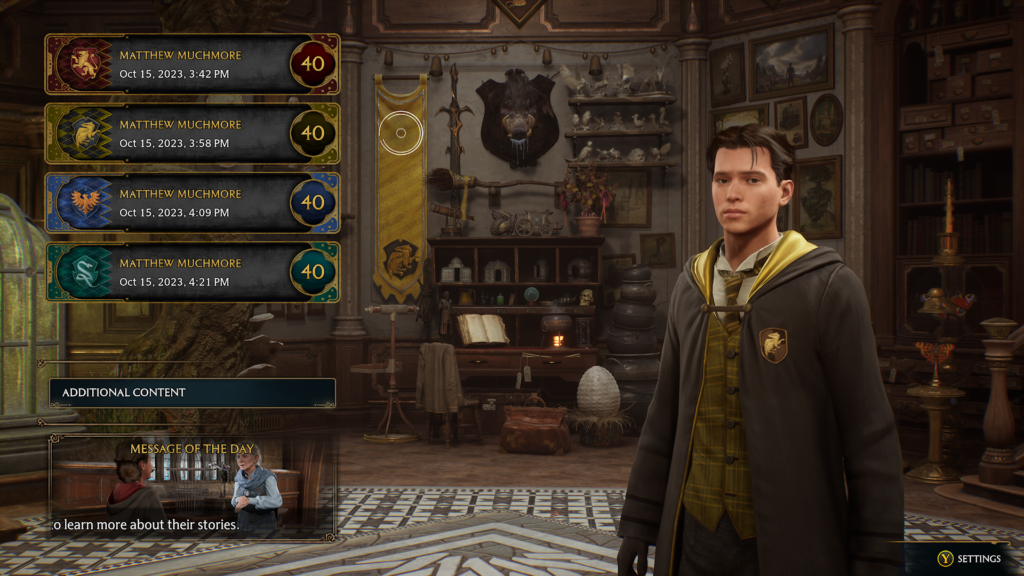
- Character customization is deep, allowing you to tailor appearance, robes, and accessories while aligning your abilities with chosen magical disciplines for a personalized playstyle.
The preceding design philosophy emphasizes flexibility and experimentation, while balancing ambition with pacing to keep each session engaging. You will notice how your preferences steer the pace of your journey, how different schools of magic unlock alternative combat rhythms, and how your approach to exploration reveals new dialogue options and quest lines. Overall, these mechanics create an adaptable framework that supports both methodical planning and spontaneous improvisation, ensuring that your choices matter across quests, relationships, and discoveries.
Graphics and Sound
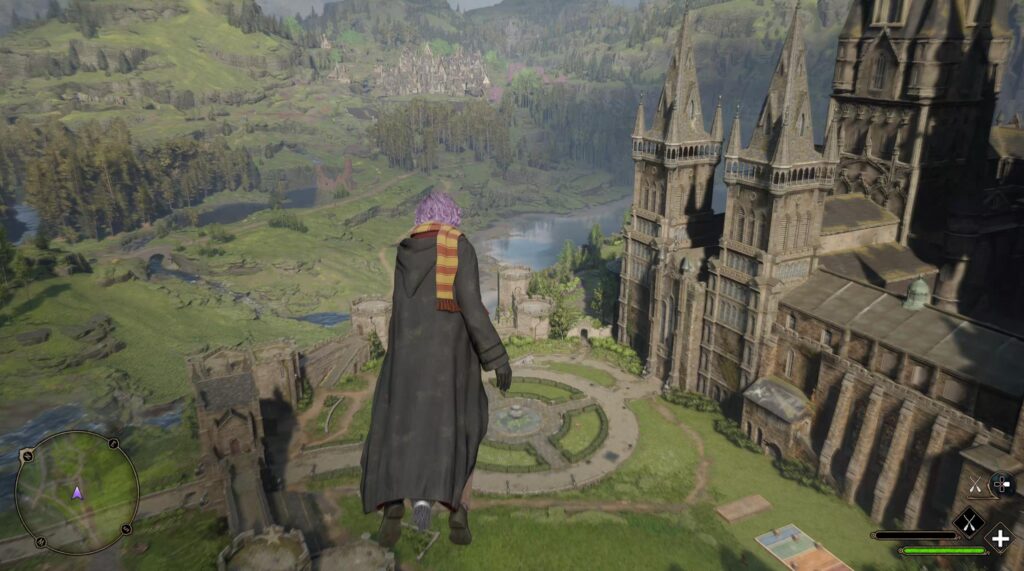
Hogwarts Legacy presents a visually rich reinterpretation of the Wizarding World with a detailed Hogwarts, a sprawling countryside, and varied climates that capture mood through lighting, weather, and architectural scale. The game renders textures with care from ancient stonework to glowing spell effects while character models convey personality through clothing, posture, and subtle animation. Although the open world occasionally reveals pop-in and distant LOD transitions, the overall aesthetic remains cohesive, supported by a color palette that leans heavily into enchantment and mystery.
Spell effects, especially during duels or while casting large area-of-effect charms, feel tangible and satisfyingly flashy. The visual clarity of combat ensures that magical chaos never becomes unreadable, even during fast-paced encounters. Performance varies depending on platform and hardware, but on stronger systems the frame rate generally stays stable throughout exploration and combat, with only occasional dips in graphically dense scenes or when ray-traced shadows are enabled.
On consoles, the art direction and lighting carry much of the experience, delivering a cinematic quality that strengthens immersion. At times, long draw distances and texture-streaming delays can briefly disrupt the illusion of a perfectly seamless world, yet these technical imperfections rarely overshadow the atmosphere the game creates. The environments consistently feel handcrafted and alive, whether you are wandering through torch-lit corridors or flying across fog-covered valleys.
The audio design works in harmony with the visuals through a lush orchestral soundtrack, ambient environmental effects, and expressive voice acting. Soundscapes react naturally to weather conditions and terrain, while dialogue performances reinforce character identity from the stern guidance of professors to the playful sarcasm of wandering ghosts. These layers of audio help give emotional weight to exploration and narrative moments alike.
In the end, the graphics and sound design combine to create a convincing sensory experience that supports the game’s storytelling ambitions. Memorable moments crossing a moonlit bridge, uncovering a hidden classroom, or solving an elaborate magical puzzle feel impactful because the audiovisual presentation sustains immersion so effectively.
The tactile feedback of broom flight, wand movements, and spell-charge indicators also contributes to an intuitive and responsive gameplay feel. Even during long sessions filled with exploration, puzzles, and dialogue, the controls remain engaging and fluid. Overall, the combination of visual fidelity, atmospheric sound design, and responsive feedback helps keep the world of Hogwarts Legacy feeling alive, immersive, and believable, reinforcing the idea that the player’s actions leave a lasting imprint on the magical world around them.
Key Features and Benefits
Key Features and Benefits summarizes how Hogwarts Legacy combines magical exploration with deep character progression to deliver a standout RPG experience. The core systems spellcasting, open-world exploration, and meaningful player choices are designed to reward curiosity, experimentation, and persistence. Players can tailor their magical toolkit, navigate atmospheres ranging from quiet classrooms to sprawling landscapes, and see consequences unfold across a living world. This section highlights how spell variety, world design, quest structure, and customization work together to create a cohesive, immersive experience. Whether you are chasing rare spells, mastering duels, or building a personal narrative, the game offers tangible benefits that resonate with fans of magical storytelling and role-playing adventures.
Spellcasting and Combat
Spellcasting in Hogwarts Legacy is more than pressing a few buttons; it is a core system that rewards practice, pattern recognition, and strategic thinking. From the moment you unlock your first batch of charms, you sense that magic is not a single, static toolkit but a living crafting system that encourages experimentation. The developers have layered the spell roster with factions inspired by the wizarding world charms, transfiguration, ancient magic, and dark arts so that different playstyles emerge without narrowing your options. The basic combat spells are intuitive, while advanced feats unlock through quests, challenges, and exploration, inviting players to invest in both learning and mastery. The result is a tactile experience where wand movement, timing, and positioning influence outcomes as much as raw numbers.
Beyond the obvious duels, spellcasting becomes a versatile tool for puzzle solving and environmental interaction. You can disarm enemies with a precise disillusionment charm, trap a foe with a levitation-assisted knockback, or pivot the battlefield by conjuring barriers that shape enemy routes. The game emphasizes rhythm: you chain together a sequence of spells to reach a crescendo of effect, much like a bard weaving notes into a spellbound melody. Upgrading spells through a thoughtful talent tree allows you to tailor your arsenal to a preferred approach, whether that means a glass cannon flashy duel or a controlled, defensive technician who prefers to outlast opponents.
Character progression intersects with spellcraft in meaningful ways. Your choice of wand, house, and backstory subtly colors how NPCs react, which in turn affects available quests and dialogue options. The spell system supports experimentation: you can combine effects, adjust the strength of spells, and craft a few signature combos that suit your fighting style. Since resources are scarce in some encounters, you learn to manage mana and cooldowns carefully, weaving long-term planning into every skirmish. Overall, the depth of spellcasting elevates combat from a series of button presses to a chess match conducted with light and wind, runes and flame.
Finally, the combat design respects pacing and accessibility. For players new to action RPGs, there are built-in assists, intuitive targeting, and a forgiving early game that teaches core principles without punishing missteps. For veterans seeking challenge, harder encounters demand precise timing, adaptive strategies, and creative spell sequencing. The balance between learning, execution, and reward keeps battles feeling fresh, whether you are learning to cast a beginner spell on a training dummy or pulling off a complex, multi-spell takedown against a powerful rival.
Exploration and Side Content
Open-world exploration in Hogwarts Legacy invites deliberate exploration as a primary driver of progression. Hogwarts itself unfolds like a living map, with hidden classrooms, staircases that shift with your progression, and secret corridors that reward careful observation. Outside the castle, you travel across diverse environments from sunlit quays to misty forests and snow-covered peaks each with its own seasonal moods and environmental hazards. The game uses a robust quest design to blend main storytelling with optional adventures, ensuring that exploration yields both narrative discoveries and practical rewards. Side content ranges from scavenger hunts and lore hunts to character-driven investigations and profession quests, all of which encourage you to linger in spaces you might otherwise rush past. The broom and other traversal options expand how you experience the world, turning flight into a relaxing, kinetic form of exploration rather than a mere mode of travel.
Puzzles, collectible scales, and creature encounters are integrated into exploration rather than tacked on as filler. You may discover ancient sigils in a cavern, solve a rune puzzle that unlocks a new area, or befriend a rare magical creature whose demands become tied to progress. Each side quest is designed to feel meaningful, offering choices that influence relationships with companions and the broader narrative arc. The game also rewards curiosity with practical benefits, whether it is new spell recall, cosmetic options, or access to unique shops and services that enhance your character’s toolkit. The result is a sense of discovery that persists long after you complete the first major story beat.
Exploration is not just about reaching a destination; it is about understanding the world’s rhythms. Day-night cycles, weather changes, and ambient sounds contribute to a palpable sense of place. When you encounter a foe or puzzle out a hidden passage, you experience a moment of triumph that validates your curiosity and persistence. The open world is designed to be revisited, with late-game areas that feel familiar yet recontextualized by your growing power and accumulated knowledge.
Features Summary
Hogwarts Legacy combines several standout features that reinforce its status as a modern magical RPG. Its spellcasting system offers depth without sacrificing accessibility, enabling both casual duelists and power users to craft satisfying combat sequences. The open world is expansive yet cohesive, tying Hogwarts, its surroundings, and optional locales into a single, explorable fabric. Customization options for appearance, gear, and progression services allow players to imprint their personal identity on the world, enhancing immersion. Narrative variety and choice-based progression create a sense of consequence, with dialogue, quest outcomes, and relationships adapting to your decisions. In sum, the game’s core features verisimilitude in magic, expansive environments, and player-driven storytelling combine to deliver a thoroughly engaging magical RPG experience.
Specifications and System Requirements
Hogwarts Legacy presents a sprawling, open-world RPG experience that scales with your hardware. To enjoy the magical Hogwarts environment with spell-casting, exploration, and character customization at a steady pace, you’ll want to understand the minimum and recommended system requirements across PC and consoles. This section breaks down the key PC specs in a clear table and then discusses how performance varies across platform generations. It’s worth noting that patches and driver updates can swing performance by several frames, especially during intense spell-casting sequences or crowded outdoor scenes. For console players, performance is closely tied to the generation and the mode you select, with current-gen systems offering the most consistent experiences, while earlier hardware may require compromises. By planning around these specs, you’ll minimize loading times, maximize graphical fidelity, and keep the magical atmosphere immersive as you explore the halls, forests, and dungeons of the Wizarding World.
Minimum and Recommended PC Specs
When planning a Hogwarts Legacy PC build for the most immersive and stable experience, begin by aligning core hardware with the game’s demands, recognizing that a modern 64-bit operating system, a multi-core CPU with ample per-core performance, and a capable GPU are essential to render intricate spell effects and large outdoor environments without mid-game hiccups; optical drive is irrelevant, but fast NVMe storage and sufficient system RAM dramatically reduce texture streaming, loading times, and stuttering during intense duels, exploration, and dynamic weather, while ensuring drivers are up to date and background tasks are minimized to keep the CPU and GPU headroom clear for the game’s physics, AI, and asset streaming.
The table below translates these considerations into concrete thresholds for the three main axes processor and memory, graphics, and storage so you can decide whether you should upgrade, whether to prioritize a faster SSD or additional RAM, and how close you are to the sweet spot where frame rates stay steady in crowded spell-casting sequences and while moving between sprawling interiors and the castle grounds.
| Spec | Minimum | Recommended |
|---|---|---|
| Operating System | Windows 10 64-bit | Windows 10/11 64-bit |
| Processor | Intel Core i5-8400 / AMD Ryzen 5 2600 | Intel Core i7-9700K / AMD Ryzen 7 3700X or newer |
| Memory | 8 GB RAM | 16 GB RAM |
| Graphics | NVIDIA GTX 1060 6GB / AMD RX 580 | NVIDIA RTX 2060 / AMD RX 5700 |
| Storage | 60 GB available space (SSD recommended) | 80 GB+ available space (SSD recommended) |
| DirectX | DirectX 12 | DirectX 12 |
If you meet or exceed the recommended specs, you’ll enjoy crisper textures, smoother animations, and more generous frame budgets for spell effects, but even then, turning up high-res textures or enabling additional post-processing features should be balanced against monitor resolution and VRAM capacity.
For laptop users or systems with slower drives, enabling a high-performance power profile, ensuring the game is installed on an SSD, and keeping the system free of unnecessary background tasks can make a measurable difference in streaming terrain and character models during crowded scenes.
Console Performance and Differences
On PlayStation 5 and Xbox Series X|S, Hogwarts Legacy benefits from the speed of SSDs and the raw horsepower of current-gen hardware. In Performance mode you can expect a steady 60 frames per second while maintaining 1080p or upscaling to higher resolutions with dynamic scaling to preserve frame budget in chaotic combat and large spell-heavy moments. Quality or Fidelity modes often target higher internal resolutions, with occasional drops to maintain frame rate during intense scenes; utterly consistent 4K/60fps is not universal across all areas, but current-gen systems generally deliver the smoothest experience among consoles.
Series X tends to offer higher stability at 4K when set to Quality, while Series S prioritizes 1080p or 1440p targets with stable 60fps in most outdoor and indoor segments; differences between PS5 and Series X are mostly in loading times, haptic enhancements, and slightly different texture streaming behaviors due to platform-specific optimizations.
Cross-generation play remains supported, but you should expect some variances when evaluating high-detail spell effects and crowd scenes, particularly in areas with dense lighting and post-processing; enabling a performance-focused option on premiere patches can reduce micro-stutter and improve overall responsiveness during exploration and duels.
Optimization Tips and Known Issues
To get the most consistent experience across platforms, ensure you keep the game and system software up to date, as patches frequently address frame pacing, texture streaming, and stability issues that accompany open-world RPGs like Hogwarts Legacy. On PC, consider adjusting a few practical settings: run the game on an SSD, enable a balanced texture budget, and use a modest resolution scale to preserve frame rate; disabling unnecessary overlays and background processes can reclaim CPU cycles for the game’s AI and physics. For console players, using the built-in performance modes and avoiding aggressive performance-hungry features in external apps typically yields smoother gameplay without sacrificing essential visual fidelity.
Common issues reported include occasional stuttering during large spell effects, longer-than-expected loading times when traversing between vast areas, and minor audio glitches in crowded scenes; these are typically resolved through patches, driver updates, or a quick restart of the game or console. If you encounter input lag from a wireless controller, re-pairing, checking battery levels, and ensuring the controller firmware is current often mitigates the problem. If you plan to tweak graphics on PC, updating to the latest drivers, enabling DirectX 12, and using a stable power profile can help stabilize frame rates and reduce artifacting during high-activity sequences.

Pricing, Offers, and Competitive Comparison
Pricing for Hogwarts Legacy has shifted across editions and platforms since launch, and regional promotions can add to the complexity of what you pay. This section breaks down edition content, price points, and what you get at each tier to help you budget accordingly. You’ll also find an overview of current offers and the DLC/Season Pass roadmap so you can plan your magical journey with fewer surprises. To help readers gauge value, a competitive comparison table places Hogwarts Legacy alongside other open-world RPGs in the same price range. Be mindful that bundles, platform deals, and timing can alter final costs in your region.
Editions and Pricing
Hogwarts Legacy offers several editions to match different budgets and interest in post-launch content.
- Standard Edition includes the base game, full open-world Hogwarts exploration, and main quests, offering the pure wizarding adventure at the lowest price.
- Deluxe Edition adds cosmetic upgrades, a bonus quest bundle, a digital soundtrack, and a few days of early access to the game.
- Collector’s Edition bundles a physical statue, detailed map, steelbook case, and all digital content, offering premium value for collectors willing to invest.
- Digital Deluxe Edition offers the base game plus exclusive digital extras, including a soundtrack, unique costume set, and additional in-game bonuses, plus early access.
- Ultimate Edition combines all digital content with the season pass, granting access to future expansions, early access to major releases, and exclusive cosmetic packs.
These options reflect the balance between base game access and added features, so choose based on whether you value early access, physical collectibles, or digital bonuses. Remember that regional pricing and ongoing promotions can shift the final price over time.
Current Offers and DLC/Season Pass
Current offers and the DLC/Season Pass roadmap influence the long-term cost and value of Hogwarts Legacy.
- Seasonal discount periods reduce the base price by a noticeable margin and frequently pair the game with limited-time cosmetic bundles and bonus in-game items.
- DLC roadmap outlines upcoming expansions, quests, and new regions, with estimated release windows and price points that affect the long-term value.
- Season Pass includes access to all future expansions, early access to major releases, and exclusive cosmetics, typically priced as a bundled option.
- Platform-specific bundles may pair the game with exclusive platform items or subscription perks, creating varying perceived value and encouraging players to choose a bundle that aligns with their ecosystem.
Keep an eye on regional promotions and platform-specific bundles, which can tilt value calculations in unexpected ways. Understanding the DLC cadence helps you decide if the Season Pass or individual expansions align with your playstyle.
Competitive Comparison Table
For a quick price-to-content snapshot, compare Hogwarts Legacy with other major RPGs in a side-by-side table.
| Game | Starting Price | Core Content | DLC/Season Pass | Open World |
|---|---|---|---|---|
| Hogwarts Legacy | $59.99 | Open-world Hogwarts exploration with spellcasting, classes, and character customization. | Season Pass and expansions available post-launch. | High |
| The Witcher 3: Wild Hunt | $39.99 | Expansive narrative RPG with a vast open world, lore-rich quests, and meaningful choice. | Two major expansions plus multiple DLCs. | High |
| Elden Ring | $59.99 | Open-world action RPG focused on exploration and challenging combat. | Free updates; future paid DLC announced. | High |
| Baldur’s Gate 3 | $59.99 | Turn-based RPG with deep storytelling, party building, and open exploration. | Ongoing content updates and major patches; expansion plans. | Medium-High |
Note that regional pricing and retailer bundles can alter these figures, so use this table as a guide rather than a fixed quote. Prioritize DLC plans and open-world depth when judging value against the base price.